Short answer
What is a salvage title in Illinois and can I sell the car?
A salvage title, officially a salvage certificate, marks a vehicle as too damaged to drive on Illinois roads until it is repaired and inspected. You can still sell a salvage car, but it cannot be driven. Matteson Cash For Junk Cars Inc buys them as wrecked or scrap vehicles with free towing.
Illinois has three paper trails for a car that has been badly damaged or worn out. They sound alike, but they lead to very different places. Knowing which one your car is on tells you what you can legally do next.
Salvage, rebuilt and junking: the three branded paths
The rules sit in Section 3-117.1 of the Illinois Vehicle Code, and the summary below follows a FindLaw copy of that section. FindLaw warns that its text may lag behind the latest law, so treat this as a guide and confirm specifics with the Secretary of State.
- Salvage certificate. The vehicle is damaged enough that it cannot go back on the road as is. It can be repaired and titled again.
- Rebuilt title. After a salvage car is repaired, the new title carries a rebuilt brand. Under Section 3-301, vehicles 8 model years old or newer must pass a state inspection first. Older ones are exempt from that inspection.
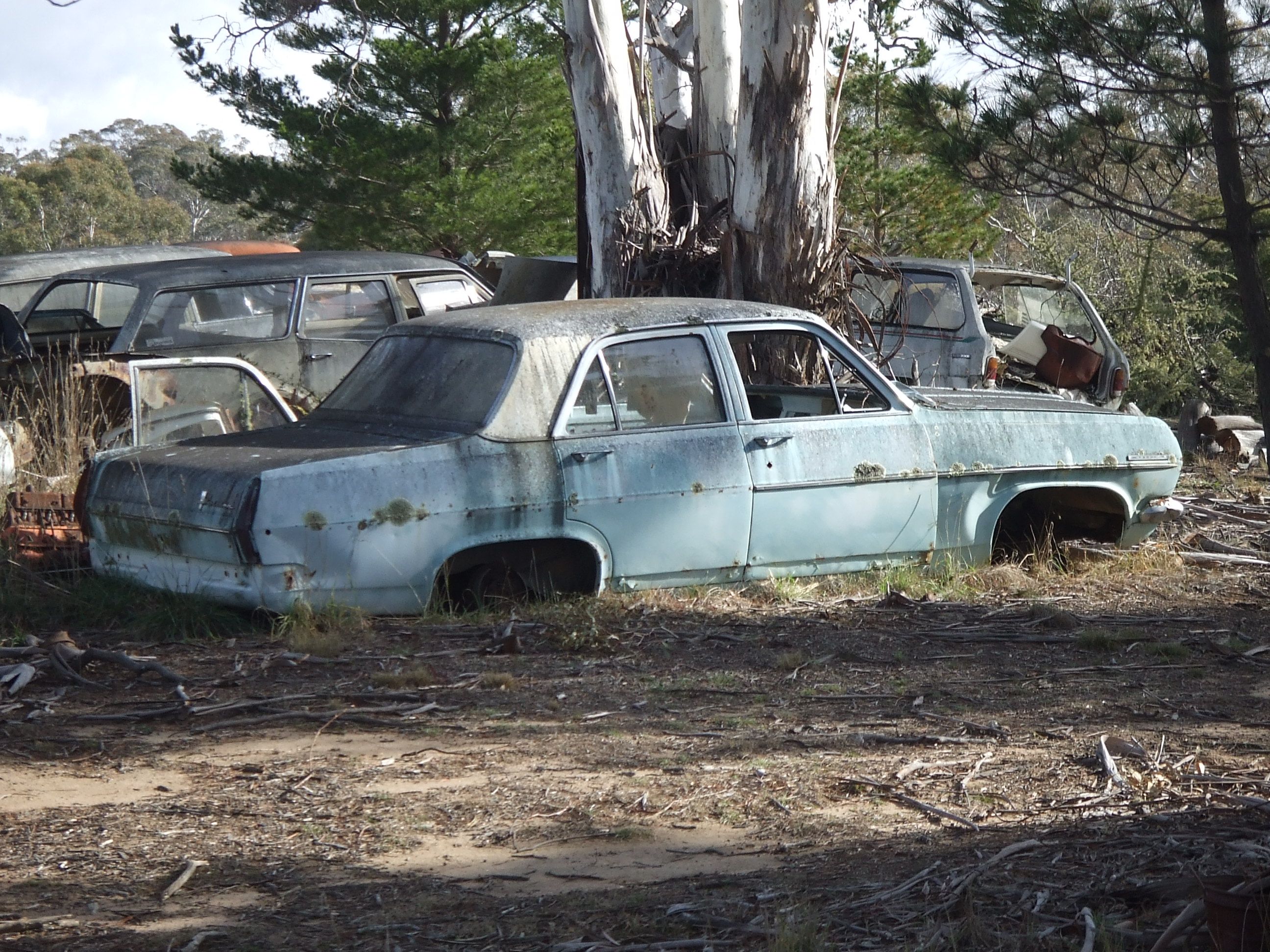
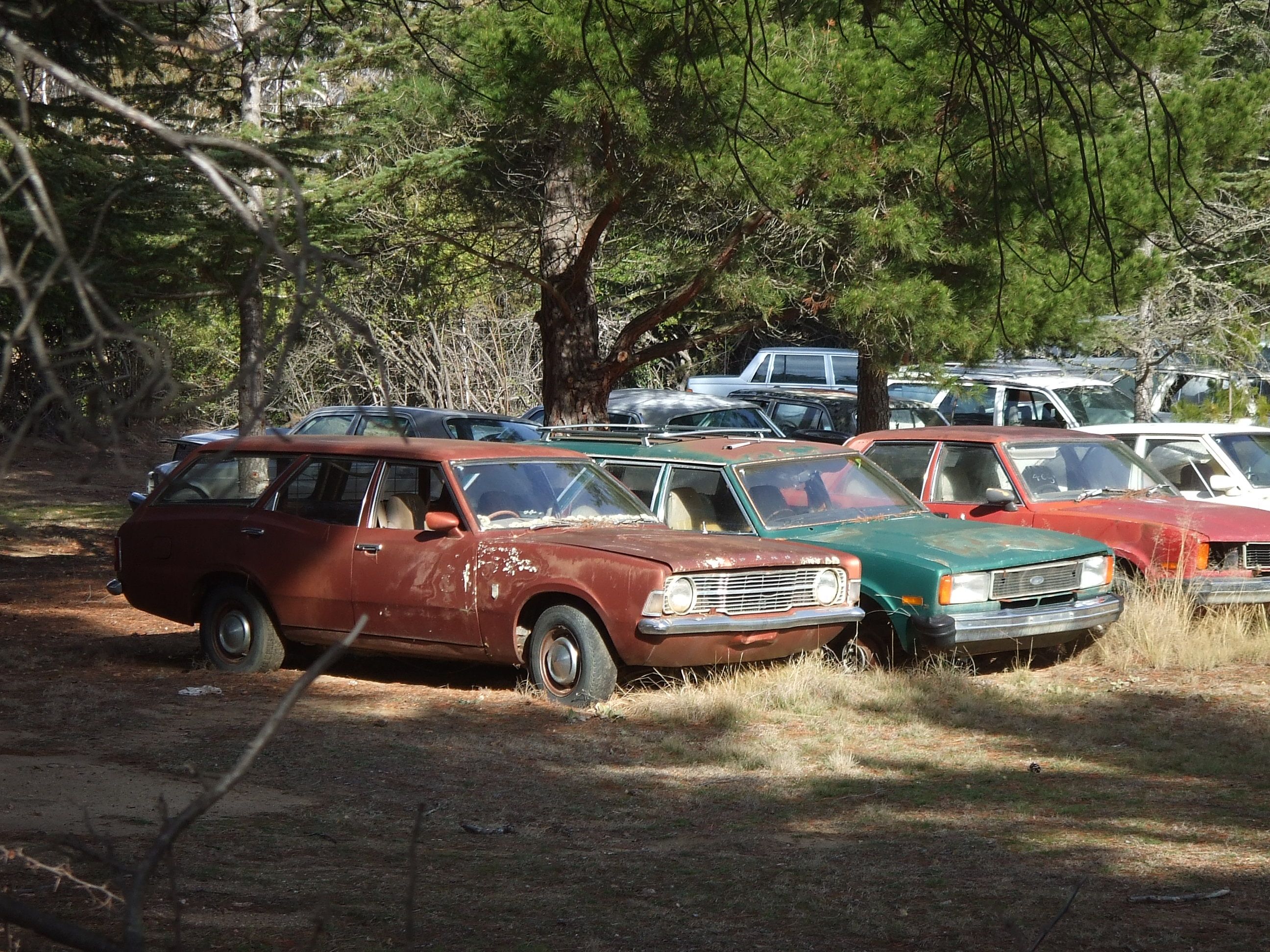
- Junking certificate. The vehicle is going to scrap. It can be owned, towed and handed on, but no new certificate of title can be issued for it.
What counts as a total loss
For most owners, the branding starts with an insurance decision. When an insurer pays a total loss claim, the statute treats the insurer as the owner and requires it to submit the title within 20 days. The insurer, not you, usually applies for the salvage certificate.
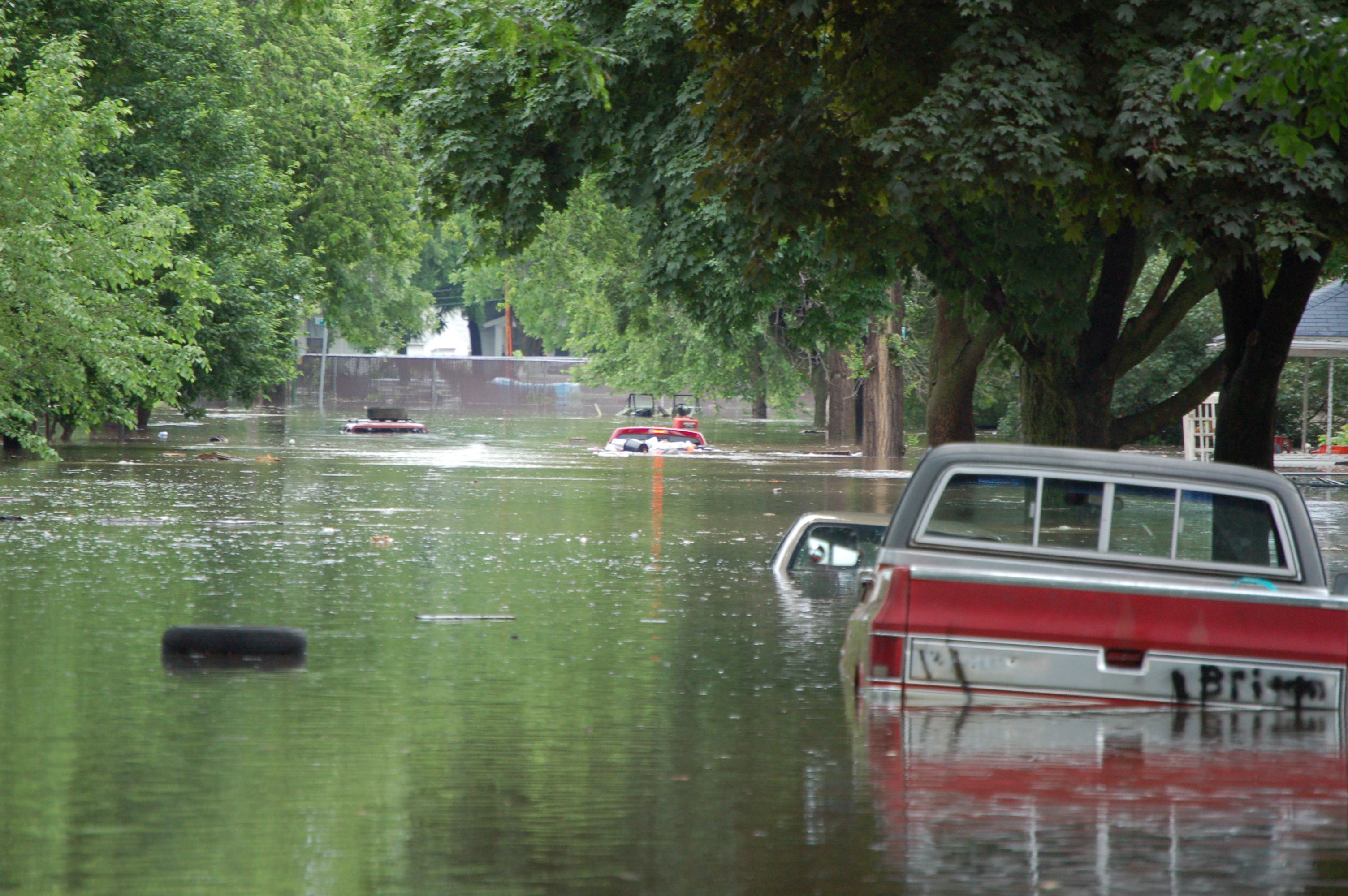
Different owners hit different damage lines. For a company that carries its own risk instead of buying coverage, a car is salvage when repair costs top 70 percent of fair market value. For repossessed cars, large commercial owners and flood vehicles, the line in the text is 50 percent. The text we read gives no single percentage for insurers, so do not assume a number. Ask your insurance company how it classed the car.
Can you drive it? No.
A salvage or junk vehicle cannot be operated on Illinois roads, and breaking that rule is a Class A misdemeanor. The exceptions are small: a salvage car on special plates may go to or from a required inspection, and a short-term permit covers its own window. Plan on a tow.
That is where a buyer that tows matters. Our towing is free, and a car that cannot legally move under its own power does not change that. See how wrecked car buying works for the vehicle side of the question.
Fix it and rebuild, or sell it as is?
Rebuilding is a project, not a repair. You pay for the repair, then the inspection if the car is new enough, and the result is a car with a branded history. Buyers and lenders discount those cars. Ask yourself three plain questions:
- Is the damage structural, or mostly cosmetic and mechanical?
- Do you have a shop that will take on a rebuild, and the time?
- Is the car young enough that a rebuilt title still has resale value?
If the answer to most is no, selling it as wrecked or scrap is usually the cleaner exit. Our guide on whether to repair or junk a car walks through the same decision with ordinary repair costs, and the step-by-step junking guide covers the sale itself.
Paperwork when you sell a salvage car
A scrap buyer in Illinois must hold accepted proof of ownership before acquiring a vehicle. Section 5-401.3 lists a certificate of title, a salvage certificate, a junking certificate or a junking manifest among the accepted documents. It also requires the buyer to record the VIN when a title or salvage certificate is provided, and to verify the identity of a seller who holds no dealer license with a driver’s license or state ID plus a second form of identification.
So your salvage certificate is a document that works, not a problem. Have it and your photo ID ready. If you hold only a bill of sale or registration, tell us which papers you have; Whether those papers are enough depends on Illinois rules, so we review them with you during the call. The lost title guide covers the case where the title itself is missing.
Why the brand matters even if you never plan to drive it
A salvage or junk history follows the VIN. Anyone who runs a history report will see it, which is why branded cars sell for less on the open market and why a private sale to a stranger is slow. A scrap or wrecked-car buyer prices the metal, the parts and the tow, so the brand matters less to that sale than it does to a retail buyer. That is a real advantage if the car is old and the repair bill is large.
Mistakes to avoid
- Driving a salvage car “just to the yard.” Tow it.
- Hiding the history. Tell any buyer the car has a salvage or rebuilt past, and do not describe it as clean.
- Pulling parts first. A missing engine or catalytic converter changes what the car is worth to a buyer.
- Waiting. A junk vehicle owner must surrender the title and apply for the junking certificate within 15 days, subject to listed exceptions.
Next step
Send the year, make, model, title status and your location through the offer form and say it is salvage. Matteson Cash For Junk Cars Inc will call back, confirm the paperwork and arrange free towing.