Short answer
What should you do with a flood damaged car in Illinois?
Do not start it, and do not try to hide the damage. In Illinois a flood vehicle with serious damage is branded flood on a salvage certificate, and water usually ruins electronics and wiring. Selling it honestly to a scrap or wrecked-car buyer is often the practical route.
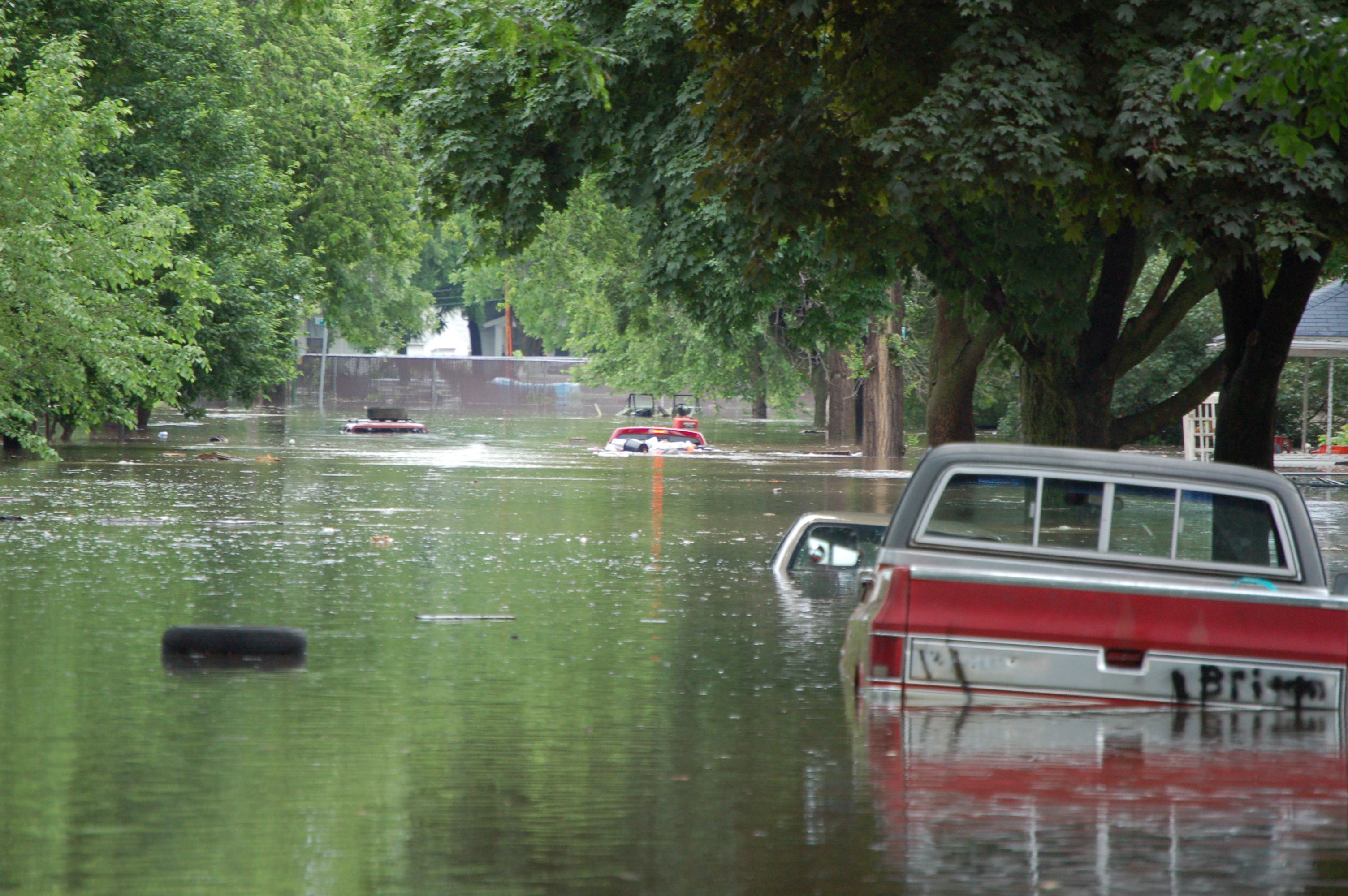
South suburban basements, underpasses and low streets take on water in heavy storms, and cars parked there take on water too. What you do in the first hour, and what you tell the next buyer, matters more than most owners realize.
What water does to a car
Water damage is rarely one failure. It is a slow list of them.
- Engine. Water pulled into the intake can bend rods and ruin an engine the first time it turns over.
- Electronics. Modern cars run on dozens of control modules and wiring harnesses. Once wet, corrosion can spread for weeks and cause faults that come and go.
- Interior. Carpet and padding hold water and grow mold. Foam seats and door panels stay damp for a long time.
- Fluids. Water in oil, transmission fluid or differentials ruins lubrication.
- Safety systems. Airbag sensors and modules sit low in many cars and are exposed.
Salt and silt in the water make everything worse. That is why many flood cars are written off even when the body looks fine.
How Illinois handles flood vehicles
Illinois treats flooding as a title issue. In the salvage rules of Section 3-117.1, a flood vehicle becomes a salvage vehicle only when repair costs exceed 50 percent of its fair market value, and the title is marked flood. Under Section 3-301, a flood vehicle with damage above that mark must pass a state inspection before it can receive a new title. FindLaw notes that its copy of the code may not be current, so confirm with the Secretary of State.
The state also watches for “title washing.” NBC Chicago reported on the Secretary of State telling staff to monitor title applications for possible flood vehicles after Hurricane Ida. For the three kinds of branded title, read our salvage title guide.
Signs a car has been in water
If you are dealing with a flood car, whether yours or one you are weighing, these are the signs that point to it:
- Damp or new-looking carpet that does not match the rest of the interior
- A strong air freshener scent covering a musty smell
- Silt or mud in the glove box, under the seats or in the trunk
- Fog or moisture inside headlights, taillights or the instrument cluster
- Rust in odd places, such as door hinges, seat rails and pedal assemblies
- Dashboard warning lights that behave oddly or electrical features that fail
ABC7 Chicago also suggests running both CARFAX and AutoCheck and checking the National Motor Vehicle Title Information System, since each source can hold records the others lack.
What to do right after a flood
- Do not turn the key. Cranking a wet engine is how repairable damage becomes total damage.
- Photograph the car and the water line before anything dries.
- Call your insurer if you carry comprehensive coverage. If the car is declared a total loss, the insurer takes over the title steps, as explained in our salvage guide.
- If you have no coverage or the car is old, compare repair cost to value using the repair or junk guide.
Selling a flooded car honestly
Many flooded cars end up scrap. The sale is straightforward as long as you say what happened.
When you request an offer, give the year, make, model, title status and location, then add that the car was flooded and whether it has been started. Matteson Cash For Junk Cars Inc buys wrecked, non-running and unwanted vehicles, and we tow free. We call back and confirm the condition and the paperwork.
Do not offer a flood car to a private buyer as clean. Beyond the ethics, hiding known flood damage exposes you to a dispute later. A car sold as flood damaged, with the facts stated, ends the question on day one.
Paperwork works the same way as any scrap sale: tell us which papers you have, whether a title, a salvage certificate or something else. Illinois rules decide which papers work, and we confirm on the call. The step-by-step junking guide covers the rest, and our what we buy page explains how we handle cars that will not run.
Flood cars and your insurance paperwork
If your insurer pays the claim, keep the settlement letter and the date the car was declared a total loss. Those records show when the title steps began, and they help if a question about the car comes up later. If the insurer lets you keep the car, you become the one who has to deal with the branding and the legal limits on driving it. Ask the adjuster in writing what the car is classed as before you agree to anything.
Next step
If a flood put your car out of action, tell us the basics through the offer form and mention the water. We will follow up with a call and set up the tow.
More questions
Should I start a car that sat in floodwater?
Will an Illinois title show flood damage?
Can I sell a flooded car without a flood brand on the title?
Do you tow flooded cars?
Sources
Related guides